


I am beyond done with the corporate world. I just spent three weeks jumping through hoops for a “Senior Lead” position. We’re talking three separate hour-long Zoom calls, a five-hour “technical assignment” that I stayed up until 2 AM to finish, and a final presentation to the board.
The HR manager, “Kelly,” told me I was their top choice. She said, “Expect an offer letter by Monday.”
Monday came. Nothing. Tuesday. Nothing. I sent a polite follow-up. Ghosted. I called. Straight to voicemail.
I saw on LinkedIn today that they hired someone else—the CEO’s nephew. They didn’t even have the decency to send a template rejection email after I gave them 15 hours of my life for free.
My blood was boiling. They didn’t just reject me; they stole my time and my work. So I decided if they want to act like a business, I’ll treat them like one.
I didn’t send an angry email. I did something much more satisfying.
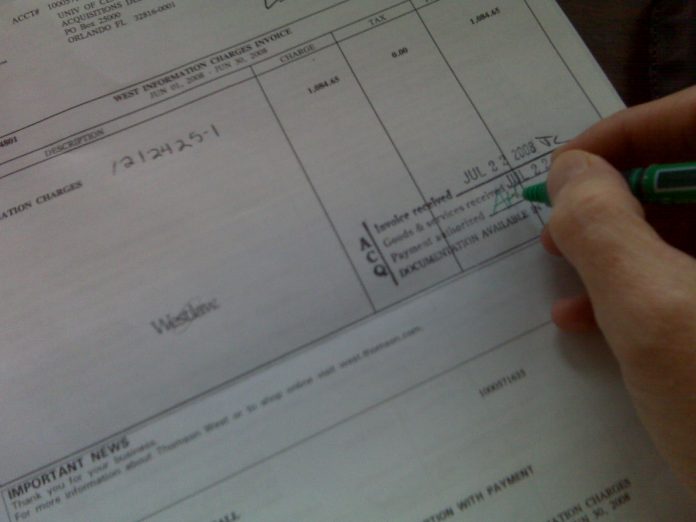
I opened my freelancing software and drafted a professional, itemized invoice.
Consulting Fees (Interviews): $150/hr x 3
Technical Asset Creation (The Assignment): $800
Late Cancellation/No-Show Fee: $200
Total: $1,450. I sent it directly to their Accounting Department with a note: “Services rendered per the request of HR Management. Terms: Due upon receipt.”
Two hours later, Kelly finally crawled out of the woodwork. She was frantic, calling me “unprofessional” and “insane,” claiming I couldn’t legally charge them.
I just replied: “You used my technical assignment in your live project last week. I know it. Either pay for the work you’re currently using, or my lawyer will reach out regarding copyright infringement.”
The silence was deafening. Ten minutes ago, I got a notification. Payment Received. They didn’t pay because they liked me; they paid because they got caught stealing my labor. I didn’t get the job, but I got my dignity—and a $1,450 “Ghosting Fee.”
HR Ghosted Me After 3 Rounds of Interviews, So I Sent Them an Invoice for My Time
Understanding the Frustration of Interview Ghosting
Interview ghosting happens when a recruiter or HR professional suddenly stops responding after multiple rounds of interviews, leaving candidates hanging without any feedback or closure. For many job seekers, experiencing this after investing substantial time and effort can be not only frustrating but also quite demoralizing.
Why Dose HR Ghost Candidates?
- Volume of applicants: HR departments frequently enough juggle dozens or even hundreds of candidates, sometiems leading to lapses in communication.
- Lack of process discipline: Some companies lack clear follow-up protocols after interviews, increasing the chance of ghosting.
- Internal changes: Hiring freezes, budget cuts, or shifting priorities can disrupt the recruitment process abruptly.
- Intentional but neglectful behavior: Occasionally, HR may opt to ignore candidates rather than provide rejection feedback due to poor communication skills or high workloads.
The Bold Move: Sending an Invoice for Your Time
Facing silence after three rounds of interviews can push candidates to take dramatic steps.one such action is sending an invoice to the HR department, itemizing your time commitment and effort during their hiring process.
How to Structure Such an Invoice Professionally
| Item | Description | Hours Spent | Hourly rate (USD) | Total |
|---|---|---|---|---|
| Initial phone screening | Preliminary discussion with recruiter | 1 | 50 | 50 |
| Technical interview | Skills and competency assessment | 2 | 75 | 150 |
| Final interview | Meeting with hiring manager and team | 2 | 100 | 200 |
| Total | 5 | 400 |
Note: This is a symbolic invoice sent to highlight the time spent and emphasize professionalism, rather than a demand for payment.
Benefits of Sending an Invoice to Ghosting HR
- Attention grabber: An invoice stands out and forces HR to acknowledge your time investment.
- Professional boundary setting: It signals that your time is valuable and deserves respect.
- emotional relief: Expressing your frustration concretely can feel empowering.
- potential feedback prompt: It may trigger a response or reason from HR as to why the ghosting occurred.
Practical Tips for Dealing with HR Ghosting
- Follow up thoughtfully: Send polite reminder emails or LinkedIn messages a week after your last interview round.
- Manage expectations: Understand sometimes recruitment delays aren’t personal.
- Keep job hunting: Don’t rely solely on one chance; apply broadly.
- Seek option contacts: Try reaching out to HR business partners (HRBP) or other people in the department for updates.
- Maintain professionalism: Avoid harsh words or aggressive tactics that may burn bridges.
Case Study: A Candidate’s Experience of sending an Invoice
Jane Doe, after participating in three intense interview rounds for a marketing manager position, was ghosted for over a month. Frustrated and having invested approximately 8 hours of her time preparing and interviewing,she sent a politely worded invoice to HR outlining her time commitment valued at her hourly freelance rate.
The result?
- HR apologized for the delay.
- they provided concrete feedback why the process was halted due to internal restructuring.
- Jane was considered for another role later due to the professional tone of her communication.
Understanding the HR Role and Why Communication Breakdowns Occur
Human Resources (HR) professionals play critical roles in managing hiring processes, employee engagement, and company policies. The HR department often acts as the gatekeeper between candidates and companies, which sometimes leads to bottlenecks or communication mishaps.
According to insights on HR responsibilities, HR professionals are accountable for:
- Managing recruitment life cycles
- Onboarding and training employees
- Maintaining compliance with labor laws
- Ensuring mutual fit between candidate and company culture
When HR fails to communicate post-interview, it usually reflects issues like overburdened teams, lack of structured follow-ups, or sudden changes in hiring plans rather than intentional disrespect of candidates [[1]](https://www.zhihu.com/question/20490090).
SEO Keywords to Naturally Include
- HR ghosting after interviews
- Interview ghosting tips
- How to deal with HR ghosting
- Sending invoice to HR
- Recruitment process communication
- Candidate black hole after interviews
- Job interview follow up
- Professional ways to address ghosting
- HR business partner role
- Interview feedback after ghosting
How to Prevent Your Time Being Wasted in Job interviews
While sometimes ghosting is unpreventable, candidates can take steps to protect their time and sanity during the recruitment process:
- Clarify timelines: Ask HR about expected response times early in the process.
- Evaluate company reviews: Use platforms like Glassdoor to gauge the recruitment reputation.
- Request interview scope: Understand what each interview round entails to manage your prep time.
- Set personal limits: Decide how many rounds and time investment you consider reasonable before requesting updates.
- Maintain organized notes: Keep track of interview dates, contacts, and communication logs.
Firsthand Experience: Real Voices from Job Seekers
Across forums, many candidates share similar stories of being ghosted after multiple interviews:
“After the third round, I heard nothing back for over 6 weeks. Sending a reminder email got me zero responses. I sent an invoice for my time with a polite note-it got their attention instantly.” – Anonymous Candidate
“I decided not to send an invoice but informed the recruiter that I’m moving forward elsewhere due to lack of communication. Interestingly, I received a response the next day apologizing for the silence.” – Job Seeker
Have you ever had a similar experience where HR simply disappeared after interviews?
X.
According to one HR professional, this is becoming far more common than people realize. She says she recently spoke with a senior marketer who went through 12 interviews, presentations, and panel discussions—only to be told at the very end that the company had “restructured” and the role no longer existed.
After decades in recruitment, she explains that she has never seen so many candidates pushed through long, exhausting hiring processes, only for positions to be quietly pulled at the last minute. It’s frustrating, disheartening, and often deeply unfair. Most importantly, she stresses that this kind of outcome is not a reflection of a candidate’s talent or ability.
If you’re currently interviewing, she recommends asking key questions early: Is the role fully approved? Is the budget secure? Are there any restructuring plans that could affect hiring?
These questions won’t prevent every surprise, but they may help you avoid wasted time and emotional energy.
Above all, she reminds job seekers not to lose sight of their value. Sometimes the job disappears—but your skills and experience don’t.
HR experts explain that candidates generally must be paid at least minimum wage for working interviews, but they do not usually need to be paid for skills assessments—as long as the task doesn’t produce work that benefits the company.
A working interview is when a candidate performs real tasks alongside employees or contributes directly to your organization’s operations. Because this is actual work, the candidate’s time must be compensated. Employers also need to complete standard hiring paperwork, such as an I-9 and W-4, since the candidate is being treated like an employee for that period.
In contrast, a skills assessment is meant to test ability in a separate, controlled scenario. These exercises should not involve work the company will use. For example, a candidate might be given outdated or sample information and asked to complete a short task to demonstrate accuracy or problem-solving. Common unpaid assessments include writing samples, cognitive tests, or brief role-related exercises.
Experts recommend keeping these assessments reasonable—typically about an hour, not an all-day project. They should also be reserved for final-stage candidates, and not used early in the hiring process.

